Watercolor Abstract Splash Backgrounds: A Practical Guide to Digital Design Resources
In the evolving landscape of digital design and creative production, Watercolor Abstract Splash Backgrounds have emerged as a versatile asset for professionals and hobbyists alike. These resources are not merely decorative images; they represent a specific intersection of artistic expression and technical utility. When evaluating digital papers for projects ranging from greeting cards to sublimation prints, understanding the distinct characteristics of abstract watercolor textures is essential. This guide explores what these backgrounds offer, how they compare to other design styles, and where they fit best within a creator's workflow.
Understanding the Unique Qualities of Abstract Watercolor Textures
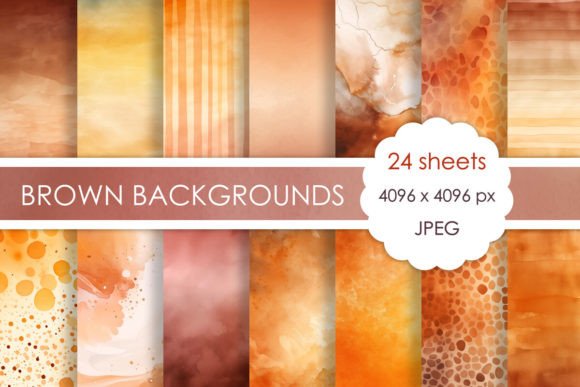
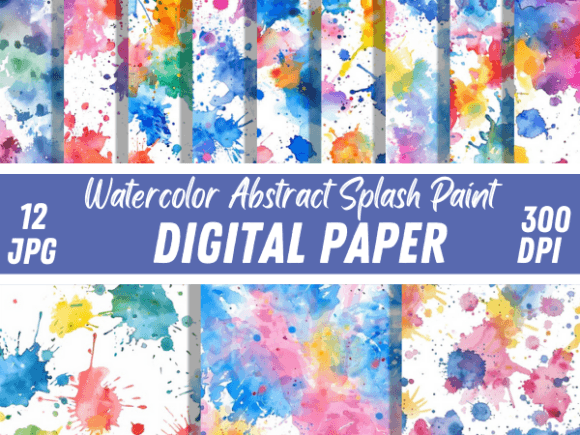
At its core, Watercolor Abstract Splash Backgrounds refers to a collection of digital assets that mimic the fluid, unpredictable nature of wet paint on paper. Unlike rigid vector graphics or photorealistic images, these designs rely on organic forms, bleeding edges, and soft gradients. The "splash" element introduces dynamic movement, while the "abstract" classification allows for broad interpretation without being tied to specific objects like flowers or animals.
The value of this style lies in its ability to convey emotion and atmosphere. For designers working on themes such as Valentine's Day, Mother's Day, or nostalgic birthday parties, these backgrounds provide an immediate sense of warmth and whimsy. The inclusion of pastel color palettes and fluid contemporary illustrations makes them particularly effective for creating romantic vinyl decals, elegant clothes printing, or rustic essentials. Because the patterns often feature detailed textures of brushstains, stains, and washes, they add depth to flat surfaces, making them ideal for high-definition wallpapers, acrylic tumblers, and 11oz mug wraps.
However, it is important to note that these are digital products designed for reproduction. While the source files typically boast 300 DPI resolution and dimensions like 3600 x 3600 pixels to ensure high detail, the final output depends heavily on the medium used. Whether applied to fabric textures, scrapbook decorations, or stationaries, the actual colors may vary slightly due to monitor settings and printer calibration. This variability is inherent to the medium but can be managed with proper pre-press planning.
Comparing Styles: Fluidity vs. Structure
When choosing a background for a project, creators often weigh Watercolor Abstract Splash Backgrounds against more structured alternatives. To make an informed decision, one must understand the tradeoffs between fluid, organic styles and geometric or photographic ones.
- Organic vs. Geometric: Traditional geometric patterns or mandala-style digital papers offer precision and symmetry. In contrast, abstract splash backgrounds embrace imperfection. If a project requires a modern, corporate aesthetic or a highly ordered layout (such as a technical manual cover), a rigid pattern might be superior. However, for handcrafted planners, junk journal design art, or creative colorful vibrant fluid compositions, the organic flow of watercolor splashes creates a more inviting and personal feel.
- Digital Texture vs. Photographic Realism: Some designers prefer high-resolution photography for realism. Yet, photos can sometimes distract from text or central elements. Abstract watercolor textures act as a subtle overlay or backdrop that enhances rather than competes. They are particularly useful for mixed media expressionism, where the goal is to blend different artistic elements without clashing.
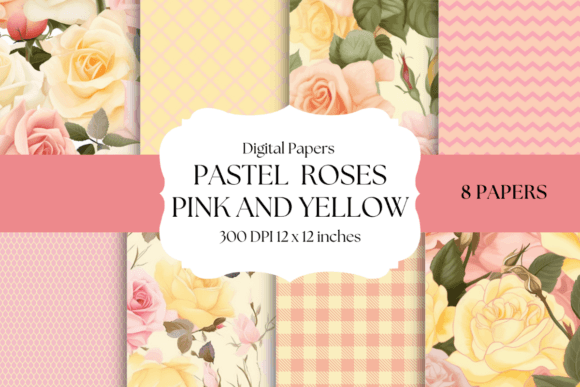
- Seamless vs. Single-Sheet Patterns: A critical distinction in digital paper bundles is whether the image is a seamless repeat or a single composition. Many Watercolor Abstract Splash Backgrounds sets include both options. Seamless backgrounds are essential for wrapping paper, large-scale wall art, or continuous fabric prints where tiling must be invisible. Single-sheet designs are better suited for greeting cards, invitations, or book covers where a unique, non-repeating focal point is desired. Understanding this difference prevents frustration during the cutting or printing phase.
Evaluating Use Cases and Technical Limitations
The versatility of these digital papers is vast, spanning from DIY crafts material to professional engraving mugs. However, selecting the right tool for the job requires a clear understanding of the format's strengths and limitations. Most comprehensive bundles, such as those containing 12 digital papers in a zip file, offer JPG formats at 300 DPI. This resolution is generally sufficient for most print-on-demand services and home crafting machines.
Strengths in Creative Applications
The primary strength of Watercolor Abstract Splash Backgrounds is their adaptability across various media. The high details of wrapping paper allow for crisp cuts when used with cut machines, while the artistic overlay capabilities make them perfect for layering over photographs in graphic painting software. For sublimation enthusiasts, the vibrant color palette ensures that designs transfer well onto acrylic tumblers and ceramic mugs. Additionally, the grunge artwork style and ink wash effects add a layer of sophistication to traditional art backdrops, making them suitable for elegant clothes printing or bag printing.
Limitations and Considerations
Despite their flexibility, there are constraints. The lack of transparency in standard JPG files means that removing the background to isolate specific splash elements can be challenging compared to using PNG or AI formats. Furthermore, the "grunge" and "wash" aspects, while aesthetically pleasing, may not translate well to very small scales, such as tiny stickers or fine embroidery details, unless the resolution is exceptionally high. Printers should also be aware that depending on how the image is printed out, colors and quality may vary. Darker pastels might appear muddy if the printer profile is not calibrated correctly.
Making the Right Choice for Your Project
Deciding whether to utilize Watercolor Abstract Splash Backgrounds depends largely on the intended emotional tone and physical application of the final product. If the goal is to evoke nostalgia, whimsy, or a soft, romantic vibe—common in wedding anniversary stationaries or baby shower invitations—these backgrounds are often the optimal choice. Their fluid nature supports a narrative of growth, change, and organic beauty, which aligns well with themes of love, family, and celebration.
Conversely, if a project demands strict branding consistency, sharp lines, or a minimalist industrial look, a solid color or geometric vector set might be more appropriate. Similarly, for projects requiring extensive photo manipulation where the background needs to be completely removed or masked, a transparent PNG version would be necessary, though many bundles focus on high-quality JPGs for ease of use.
For crafters looking to create cohesive collections, such as a set of matching scrapbooking cut machines designs or a series of handmade crafts, the availability of repeatable bundles is a significant advantage. Having multiple variations of similar themes (e.g., winter motifs, blossom mugs, or foliage) in a single package allows for consistent styling across different products without sacrificing variety. The inclusion of both seamless and non-seamless options further expands the utility, allowing users to switch between large-format prints and individual card designs seamlessly.
Conclusion: Integrating Artistic Expression with Practicality
Watercolor Abstract Splash Backgrounds occupy a unique niche in the digital design market by bridging the gap between traditional artistic techniques and modern digital convenience. They offer a rich texture and color palette that can elevate everything from simple gift wrapping to complex mixed media compositions. While they come with specific considerations regarding print fidelity and file formats, their benefits for creating warm, inviting, and visually engaging content are substantial.
By carefully evaluating the specific needs of a project—whether it involves iron-on transfers, detailed textures for book covers, or elegant decor—creators can determine if this style aligns with their vision. Ultimately, the choice comes down to the desired atmosphere: if the goal is to bring a touch of fluid, contemporary, and expressive artistry to a digital or physical product, these backgrounds provide a robust foundation for creative success.